
How to Innovate in K-12 Education
K-12 Education innovation struggles not because market forces are absent, but because products are built for large district bureaucracies rather than schools, teachers and students.
Stories and insights written by people who understand your numbers—and the purpose behind them.
K-12 Education innovation struggles not because market forces are absent, but because products are built for large district bureaucracies rather than schools, teachers and students.

Effective school finance communication means translating financial data into clear, decision-ready information for each audience.

Schools should give auditors “just right” system access—structured and controlled enough to prove compliance and answer key questions without creating chaos or unnecessary back-and-forth.

Boards only provide real safety when they’re treated as informed, engaged counselors—given clear numbers and the unvarnished truth, not optimistic spin designed to secure a quick yes.
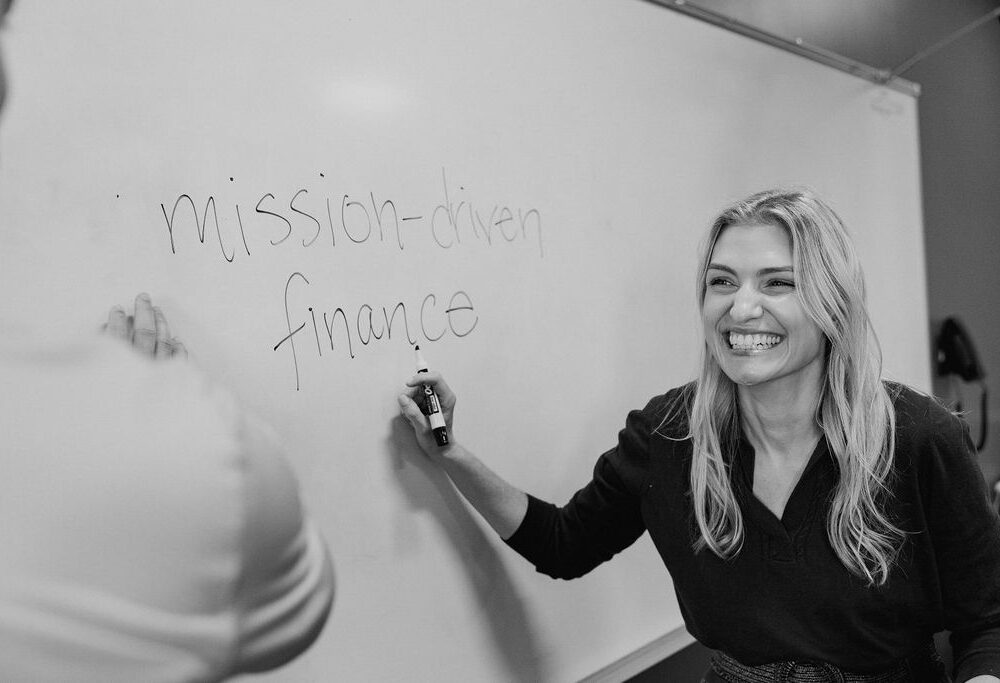
bookreport does not take venture capital because VC incentives—speed, scale, and profit maximization—conflict with the patience, precision, services support, and long-term stewardship required to build reliable financial infrastructure for schools.

A spotless ledger means nothing if it comes from bottlenecking classrooms—real stewardship manages the productive mess instead of eliminating it.

When school finance systems hide real salary costs and resource flows behind averaged formulas and opaque reporting, they create modern ‘false balances’—and only transparent, campus-level clarity can restore honest, just stewardship.

Most audit penalties don’t come from bad intentions—they come from “just keeping going” in systems that give you no refuge for the small things.

Proactive, mobile-first collection of complete onboarding paperwork before a new hire’s first day prevents payroll errors, audit findings, and unnecessary HR chaos.

Audit should never disrupt school leadership and should be a routine confirmation rather than a week-long distraction.

Effective school HR means outsourcing operational, compliance-heavy tasks like payroll and benefits while keeping hiring, performance management, and culture firmly in the hands of school leaders.

Outdated, disconnected HR systems turn manageable school responsibilities into cascading daily crises, while integrated workflows restore accuracy, trust, and peace of mind.

bookreport is fully family-owned and takes no outside investment to protect product quality, long-term stability, and mission alignment with the schools it serves.

School budgeting becomes reactive when finance skips early, focused conversations with program leaders, because most revisions stem from unverified assumptions rather than flawed math.

Payroll accuracy in schools depends on mandatory frontline manager review before each run, because distributed oversight—not back-office processing—prevents costly errors, protects trust, and reinforces culture.

Payroll forecasting feels impossible for schools, but a unified HR, payroll, and budgeting system makes year-end projections instant and accurate.

Sending employees a preview of their first paycheck prevents confusion, protects trust, and eliminates most first-payday payroll issues before they happen.

Teachers are treated as trusted professionals when managing 30 children but as potential fraud risks when spending $30.

Capturing receipts instantly by text or email eliminates audit stress, month-end delays, and the constant chase for missing documentation.

Newark’s failed $100 million education reform shows that school outcomes aren’t limited by funding but by centralized bureaucratic systems that absorb resources before they ever reach classrooms.

The contrast between a district school and a charter in Newark shows that school-level flexibility—not bigger budgets—determines whether money actually serves students.

School finance data is structured in ways that let competing narratives all appear correct while obscuring whether money actually reaches and serves students.

Traditional budgets rely on stale data—so bookreport connects budgeting and purchasing in real time to make remaining funds instantly accurate and actionable.

A school’s reported cash balance is only trustworthy if it’s backed by a clean bank reconciliation, since unreconciled items can quietly overstate financial health and mislead board oversight.